The conflict in the Middle East affected Asian manufacturing in March, driving up raw material costs, lowering output and causing supply chain disruptions. On average, Asia’s manufacturing PMIs dipped to 52.0 in March from 53.3 in February, led by a drop in new orders and lower output. New orders and export orders eased, due to a mix of supply constraints and weaker foreign demand. For Korea, panelists continued to cite strong AI tech demand, despite the energy turmoil.
Asymmetric impact across Asia
The moderation in manufacturing PMIs was sharper in Indonesia, India, the Philippines, and Vietnam, likely reflecting their greater exposure to supply constraints and the impact of fuel rationing measures. Economies with higher energy buffers – Korea, China, Malaysia – were relatively less impacted. In Thailand, the output index was surprisingly stable, despite its higher energy exposure, though the future output index fell sharply.
Input costs escalate, margins dip
Cost inflation accelerated sharply across the region, with many countries experiencing multi-year highs in input price inflation. On average, the input price sub-index rose to 61.4 in March from 56.9 in February. Firms reported higher prices of raw materials, freight, fuel, and transportation, alongside unfavorable exchange rate movements. The drop in the output index and the rise in the input cost index – a stagflationary mix – was most pronounced in Indonesia and India. Indian manufacturing firms cited rising prices across “aluminum, chemicals, electronic components, energy, food, iron ore, leather, oil, rubber and steel.” There was a rise in output prices, but more marginally, exacerbating the margin squeeze for manufacturers.
Supply chains disrupted
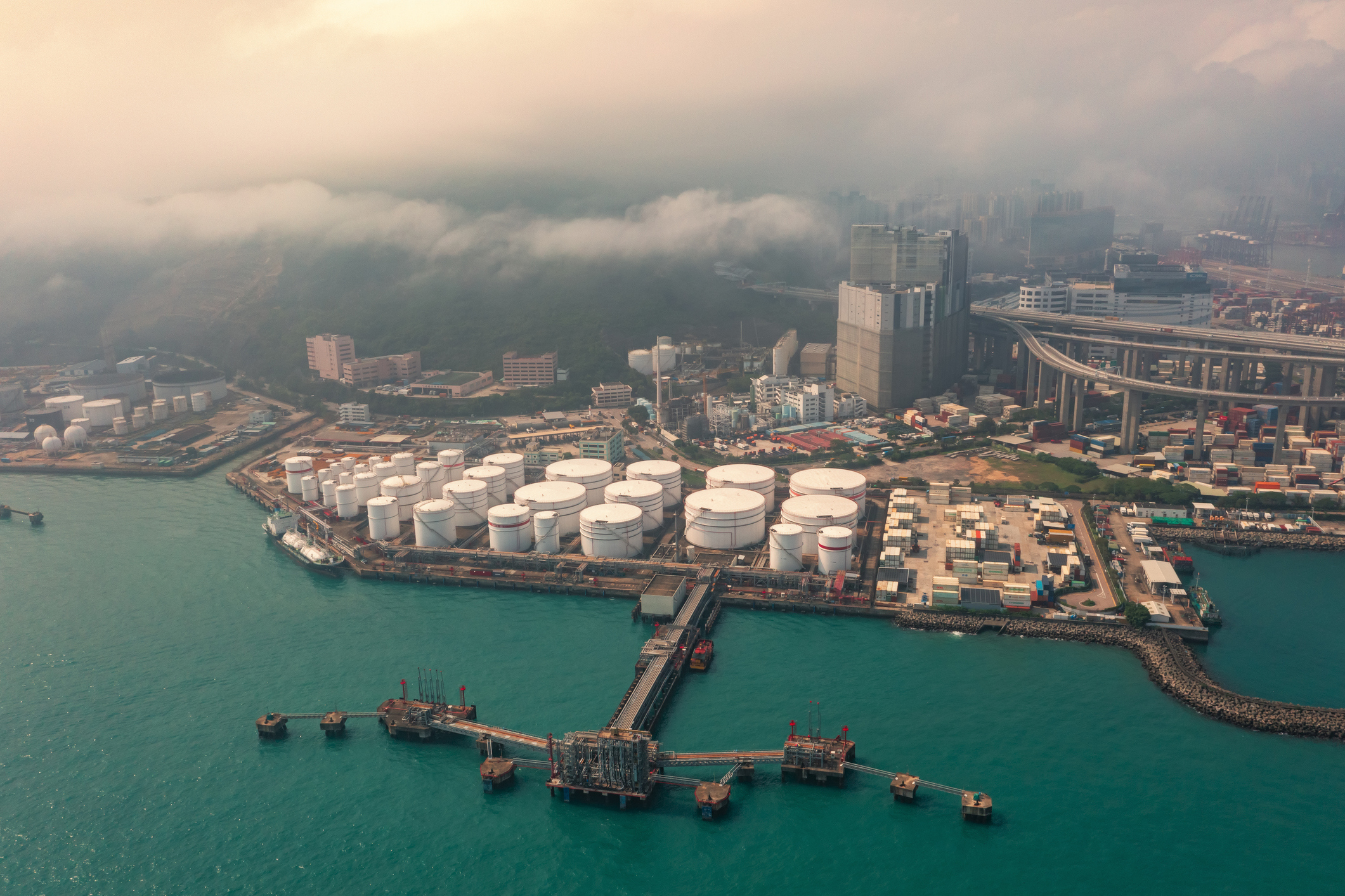
Due to the Strait of Hormuz closure, delivery times lengthened significantly across multiple economies, with some countries experiencing the worst supplier performance in 3-4 years. Shipping container availability, shipping routes, fuel costs, and raw material availability continue to be impacted, creating the most severe supply chain disruption since the pandemic for a few economies. On average, the suppliers’ delivery times index fell to 47.0 in March from 48.2 in February, suggesting longer lead times. If Red Sea shipping is also disrupted, then supply chain disruptions might get exacerbated.